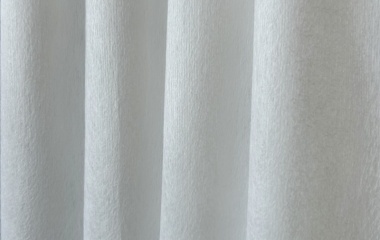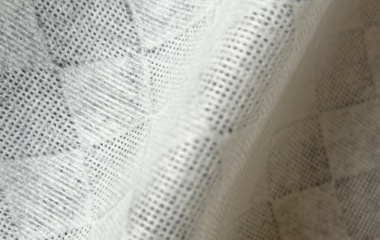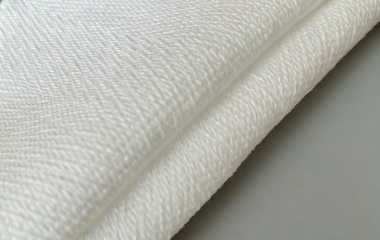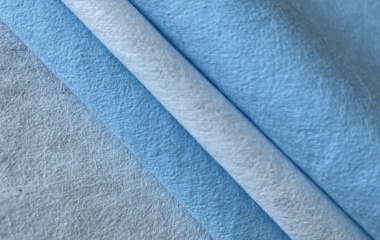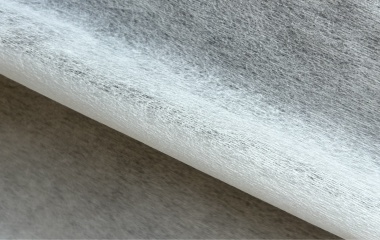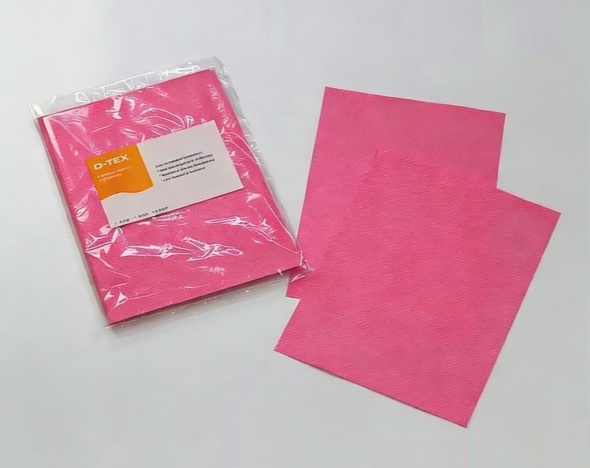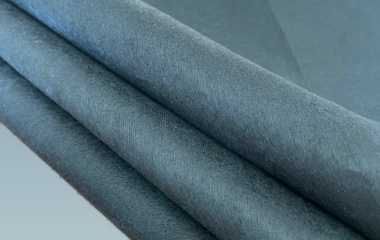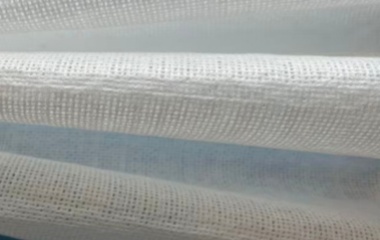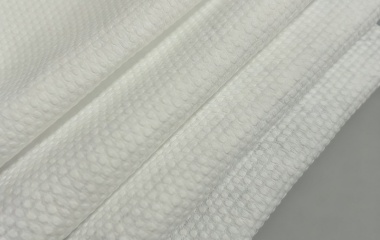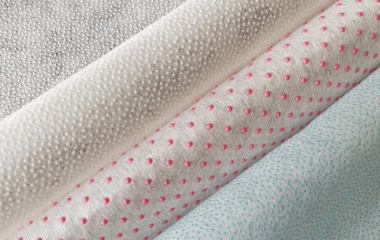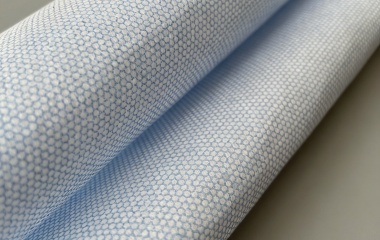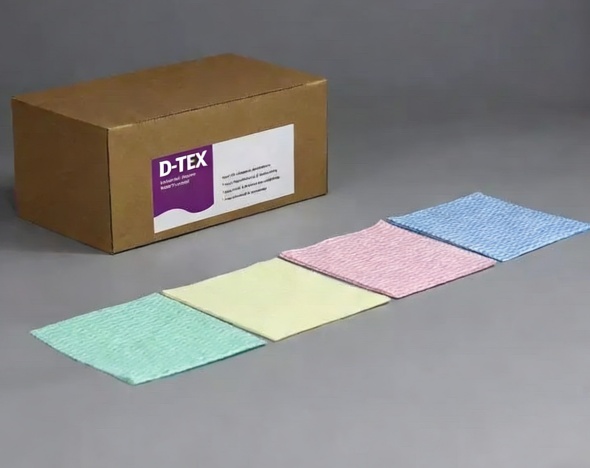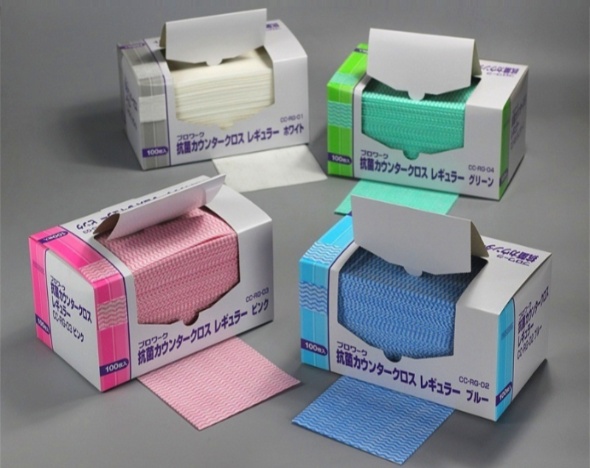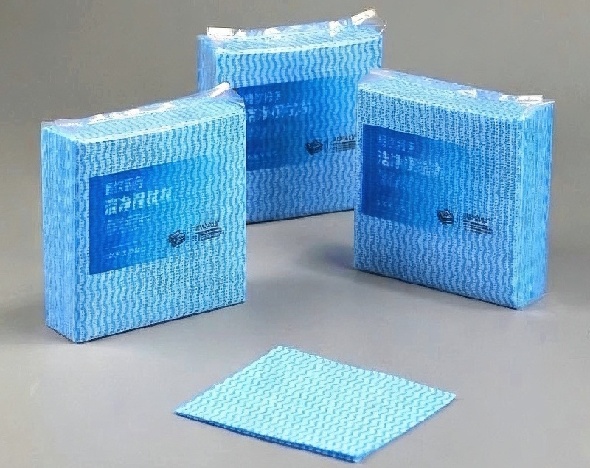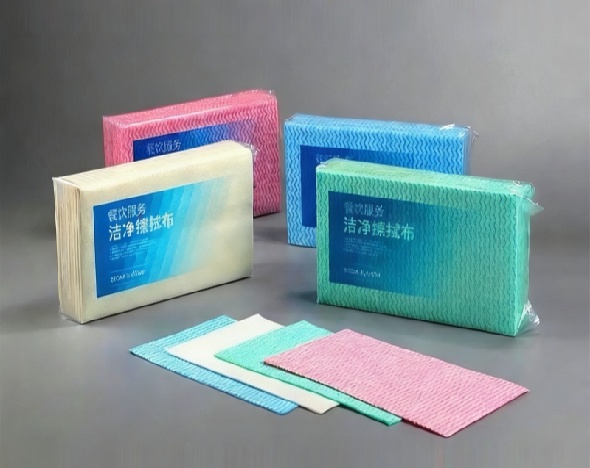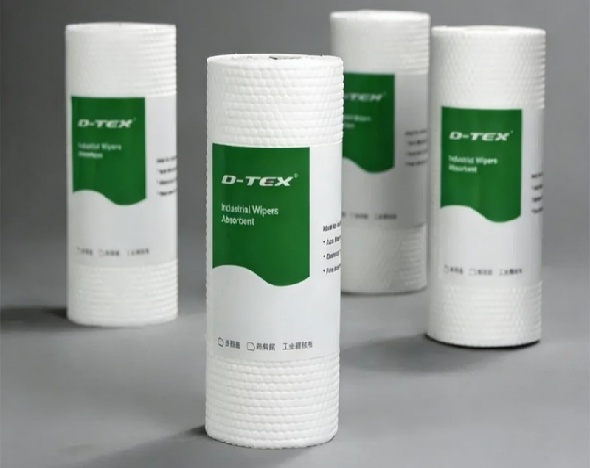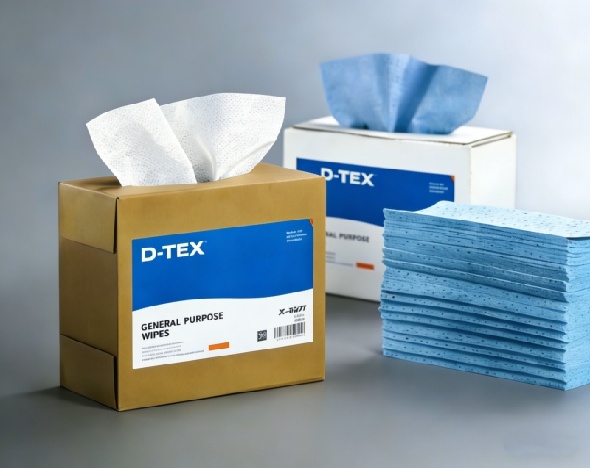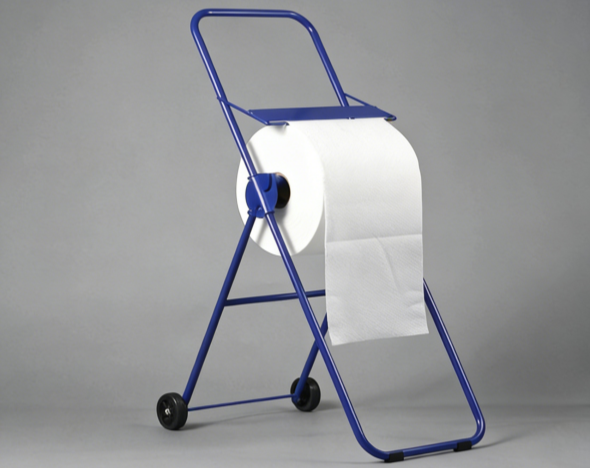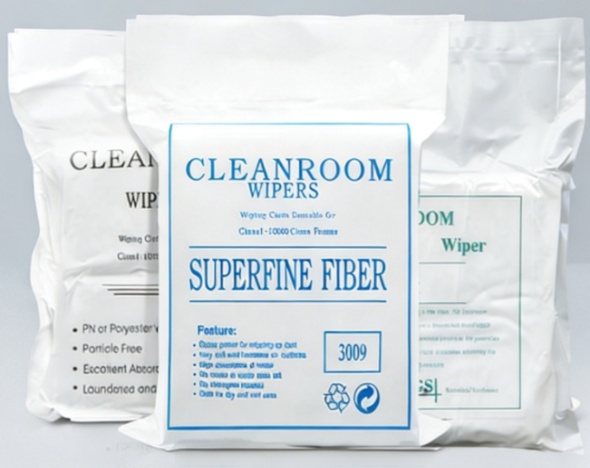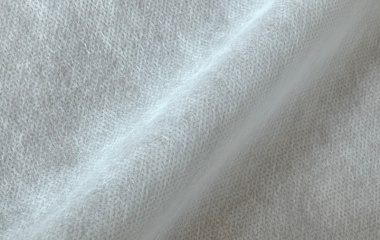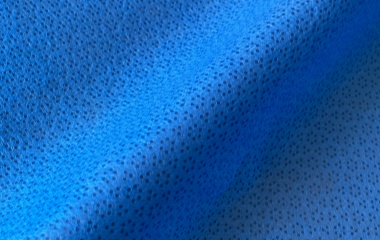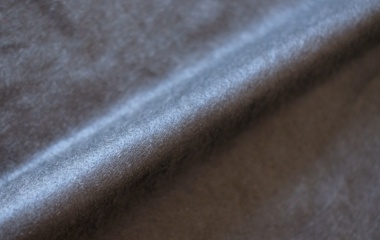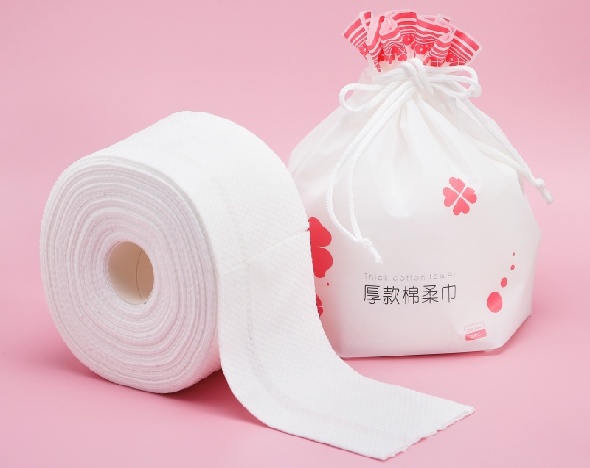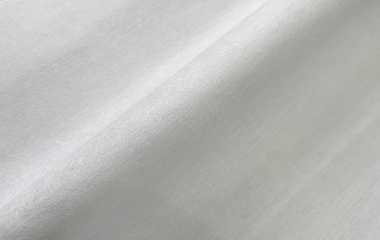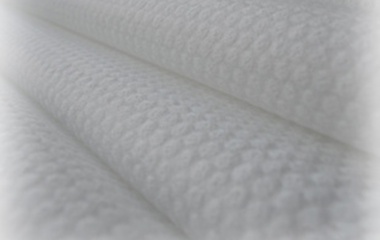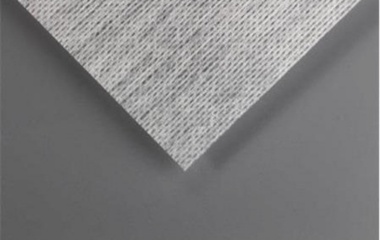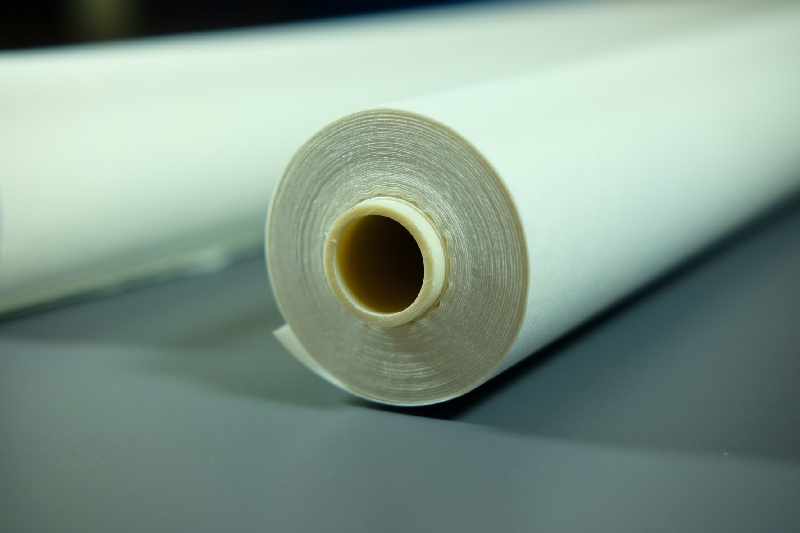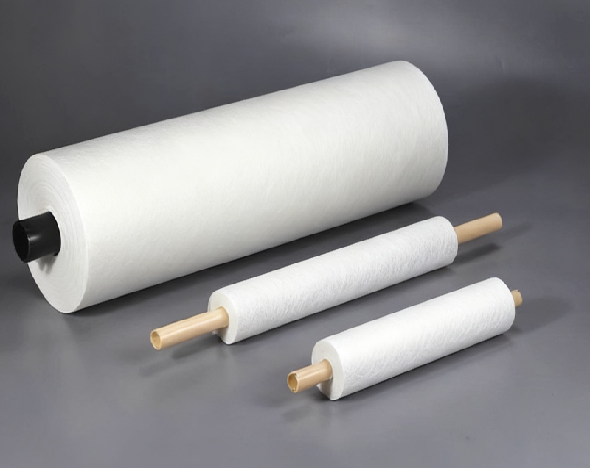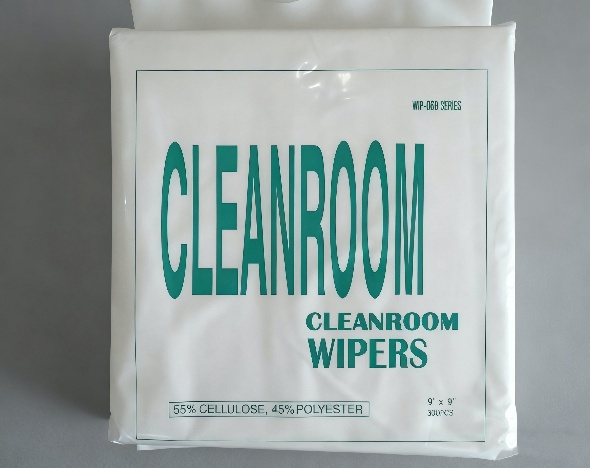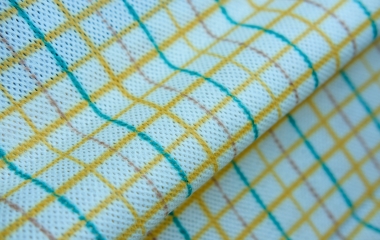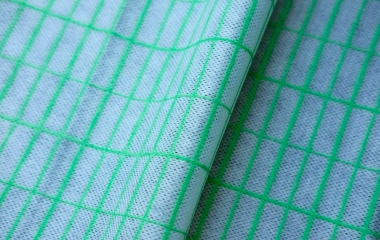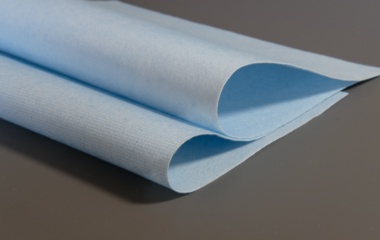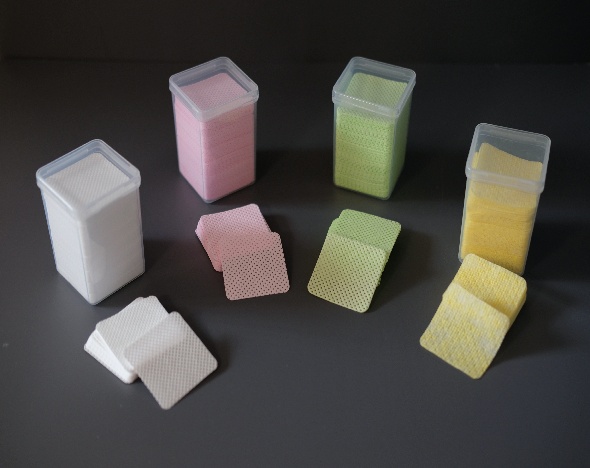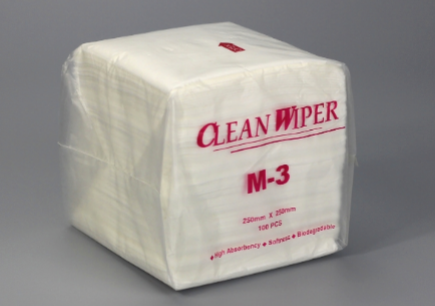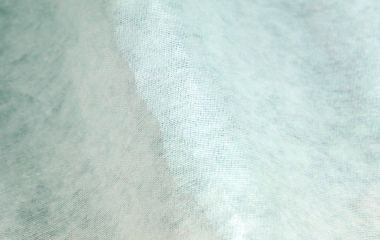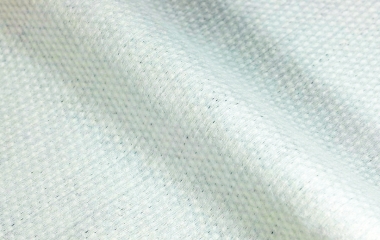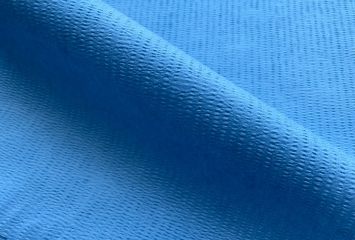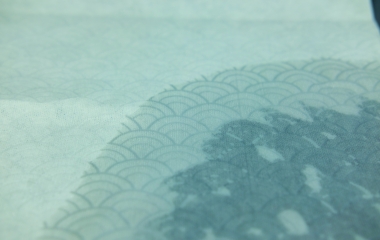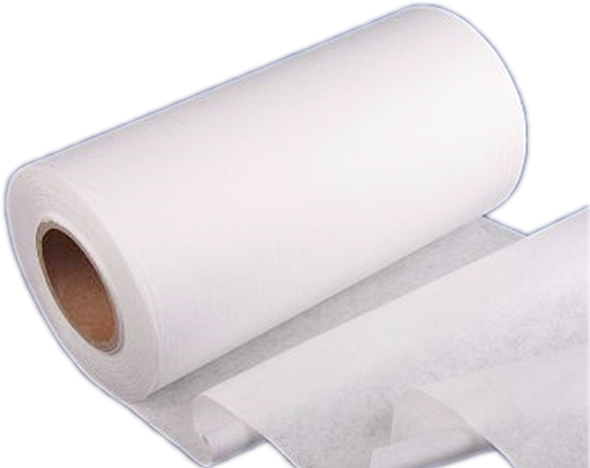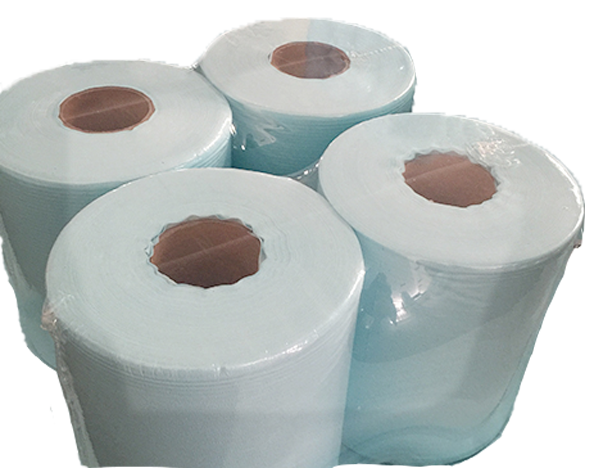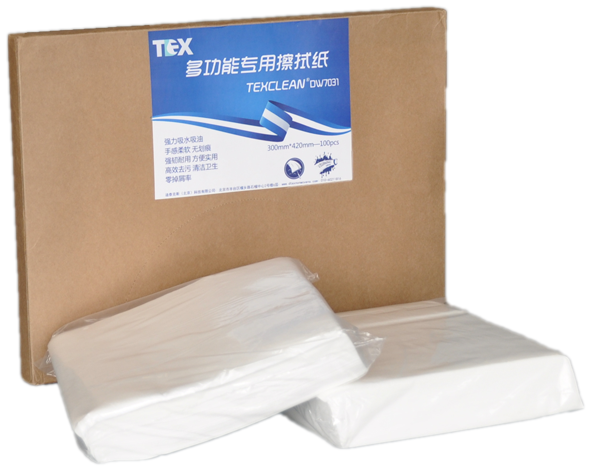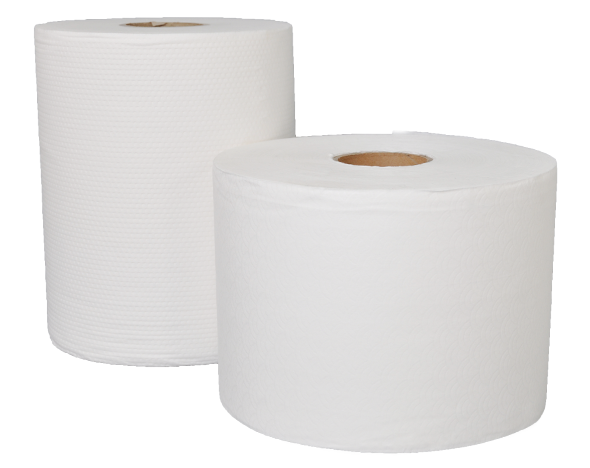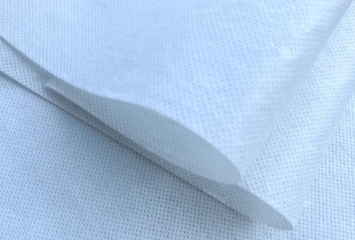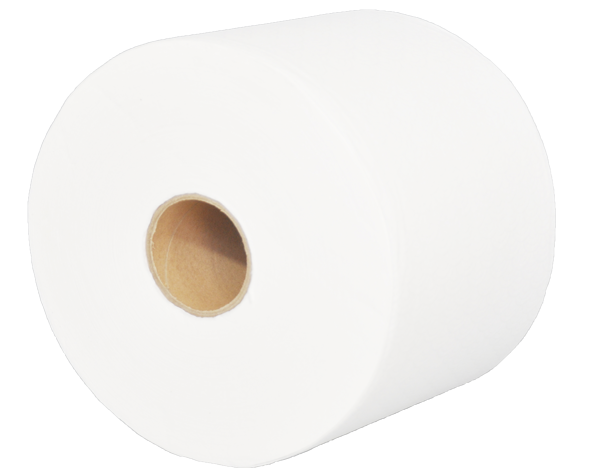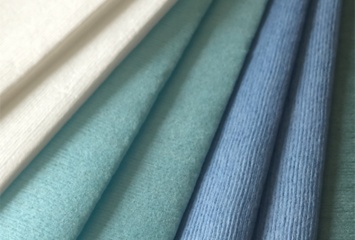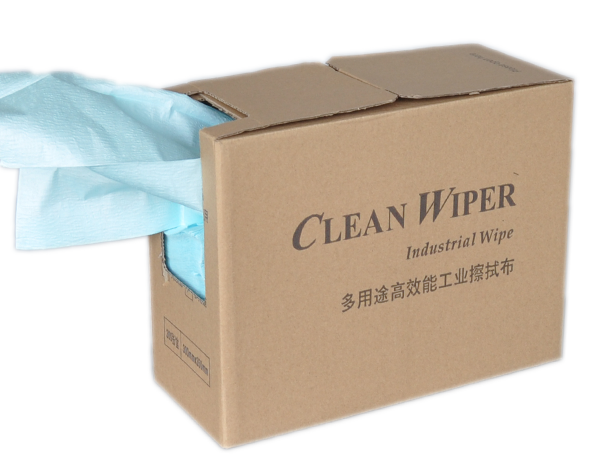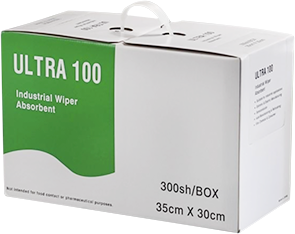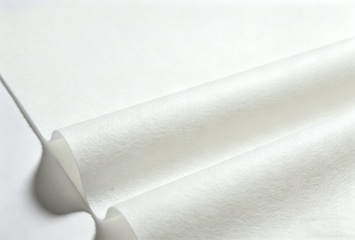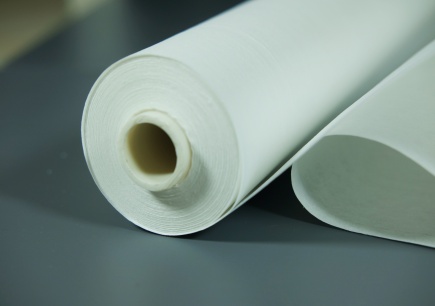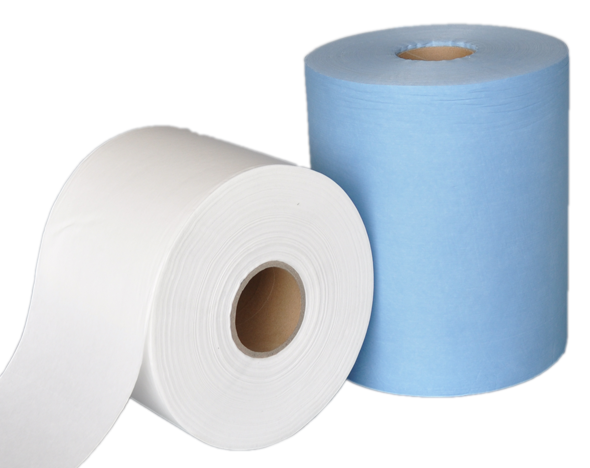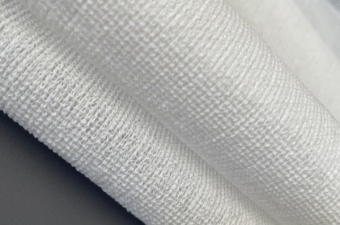










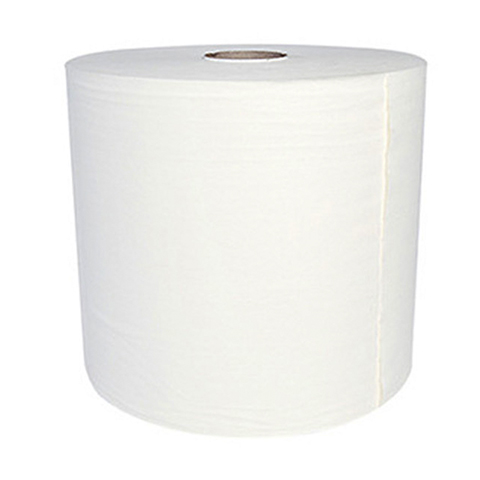

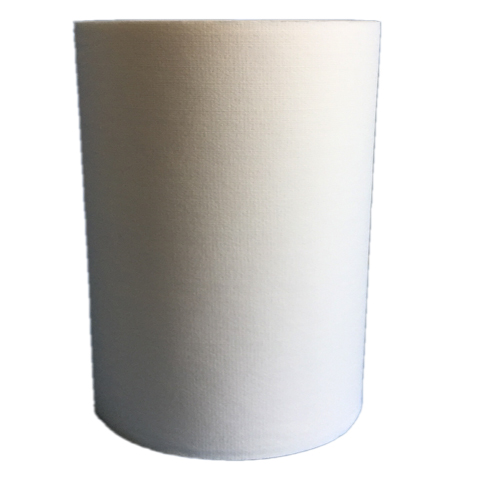
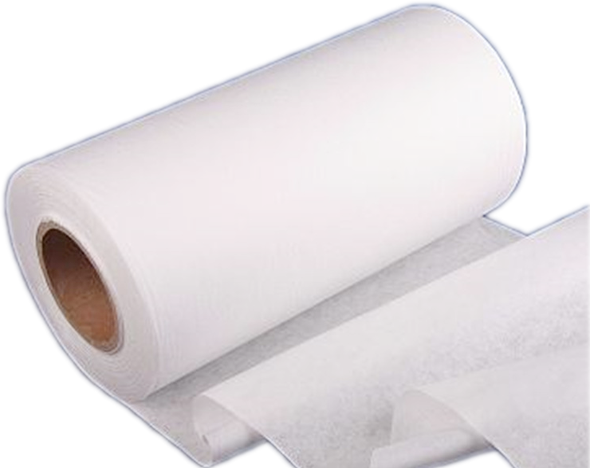


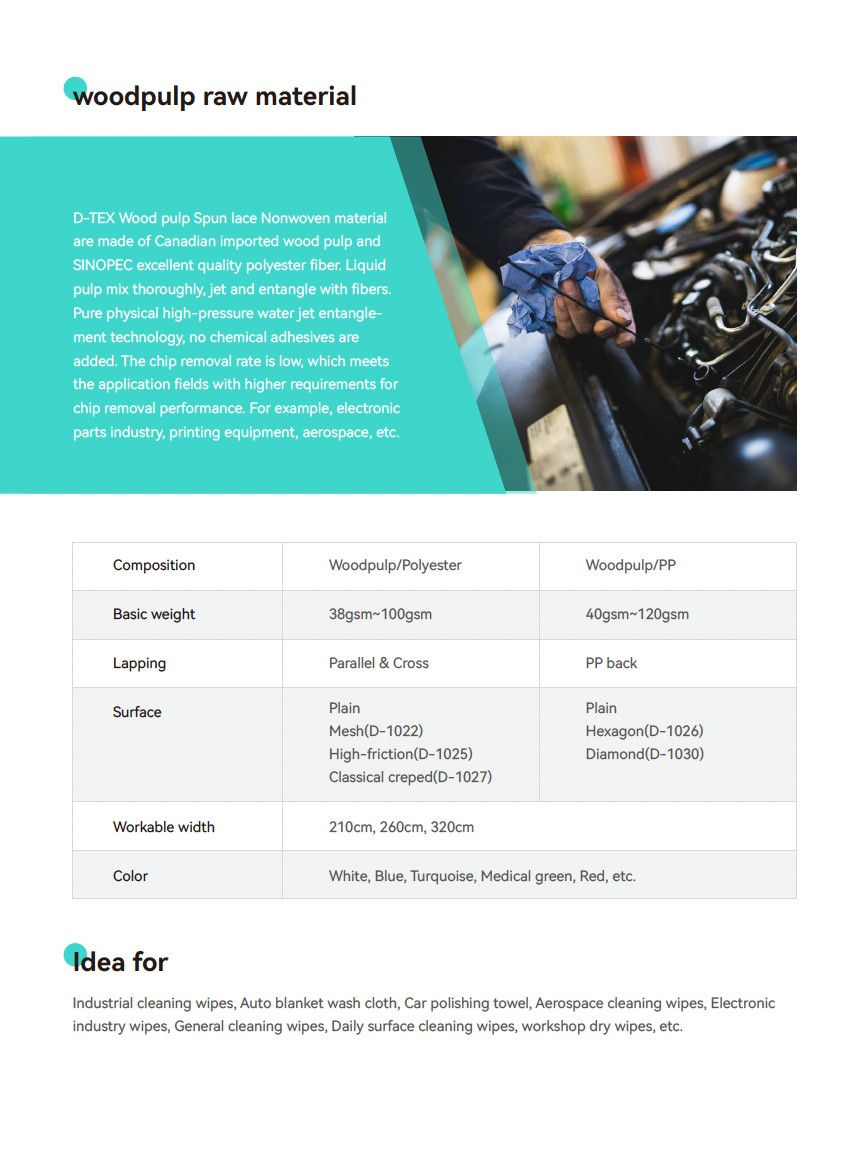
D-TEX White PP laminated woodpulp nonwoven fabric is made from imported woodpulp fibers and fine polypropylene fibers, combining the absorbency of cellulose with the strength of polypropylene.
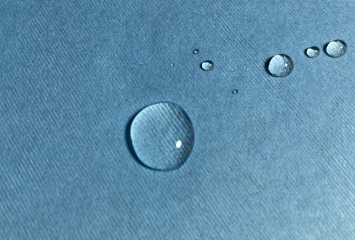
The laminated structure provides a soft woodpulp layer with good liquid absorption performance, while the PP layer contributes to mechanical strength and durability.
This woodpulp polypropylene nonwoven material is produced without chemical binders and features good water and oil absorption capacity, low lint release, and reliable performance for industrial cleaning applications.
Material Structure and Technology
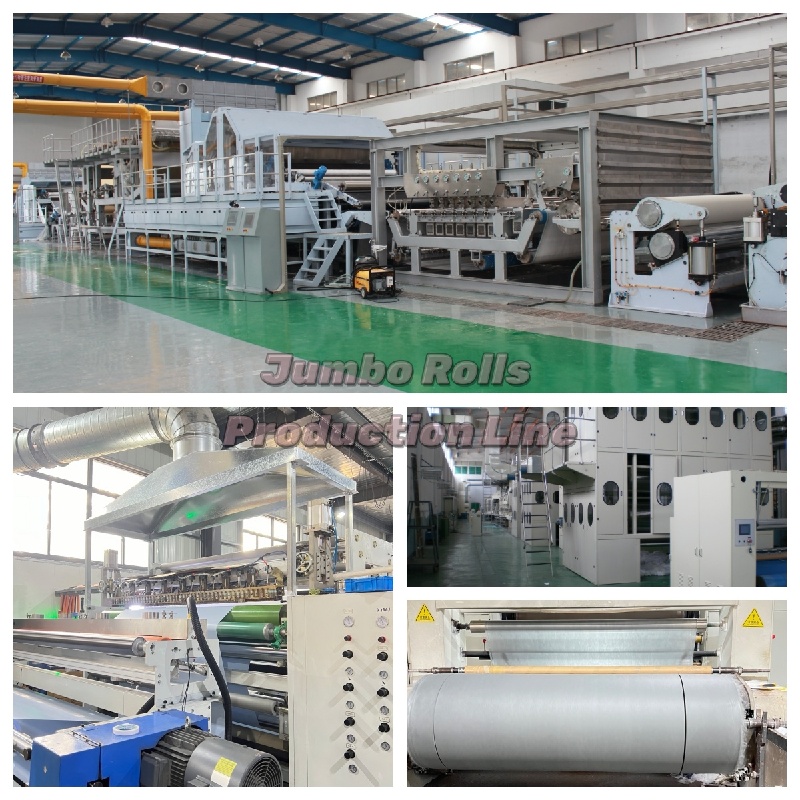
The fabric is produced by first forming a spunbond PP web that provides mechanical strength and dimensional stability.
A layer of natural woodpulp fibers is then hydroentangled onto the PP base, creating a stable dual-layer composite structure.
This structure allows the woodpulp layer to provide high liquid absorption performance, while the PP layer contributes to tensile strength, abrasion resistance, and solvent compatibility.
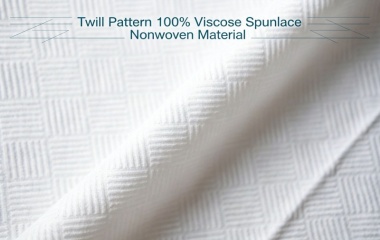
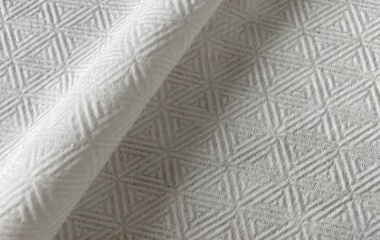
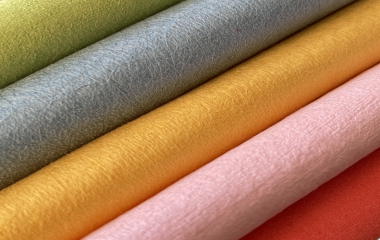
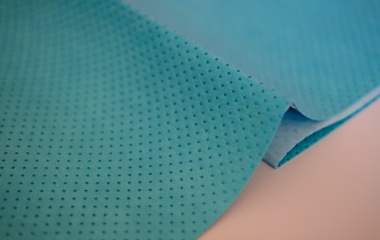
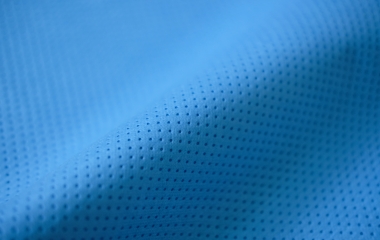
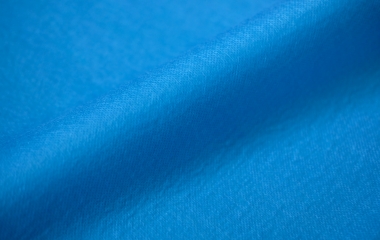
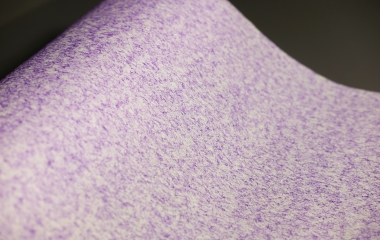
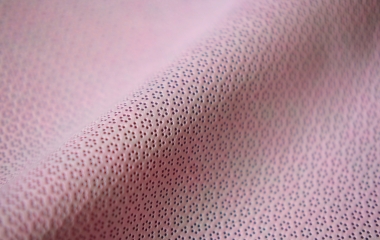
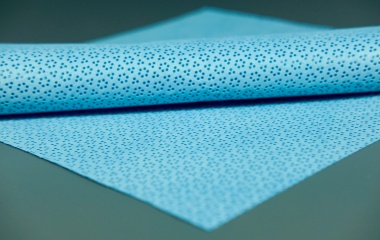
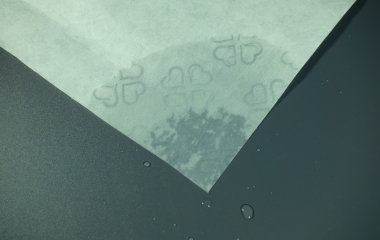
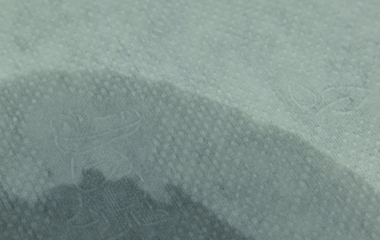
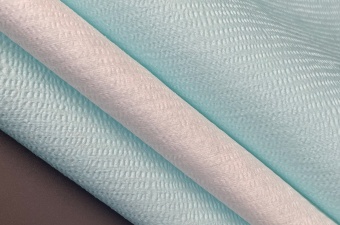
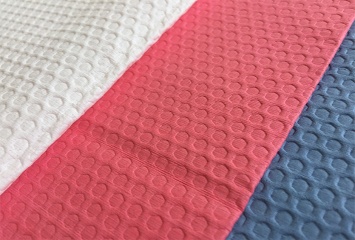
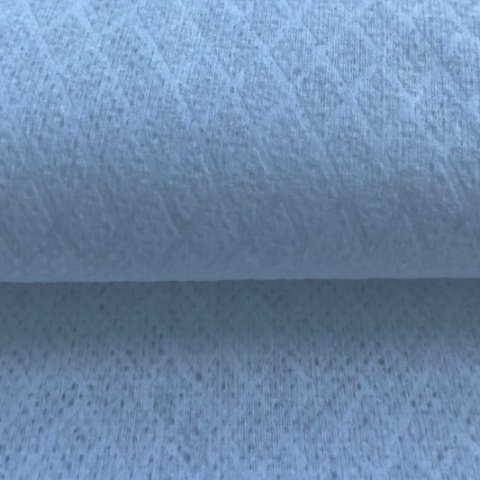
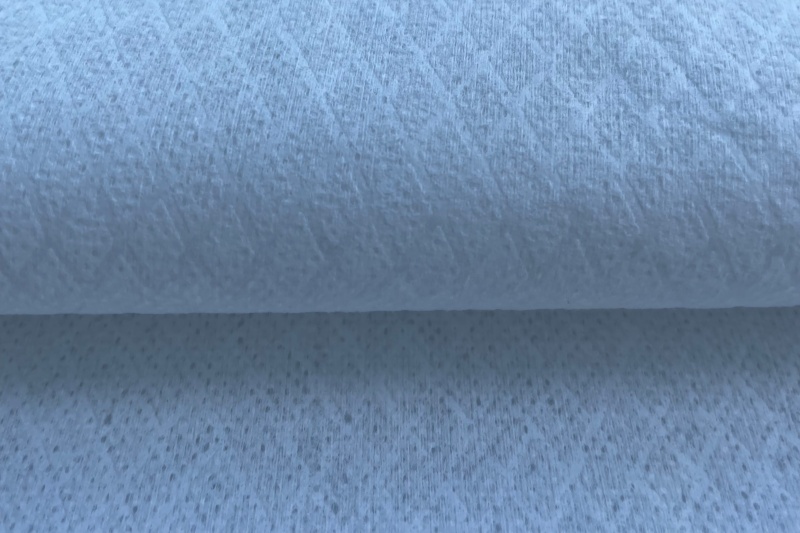
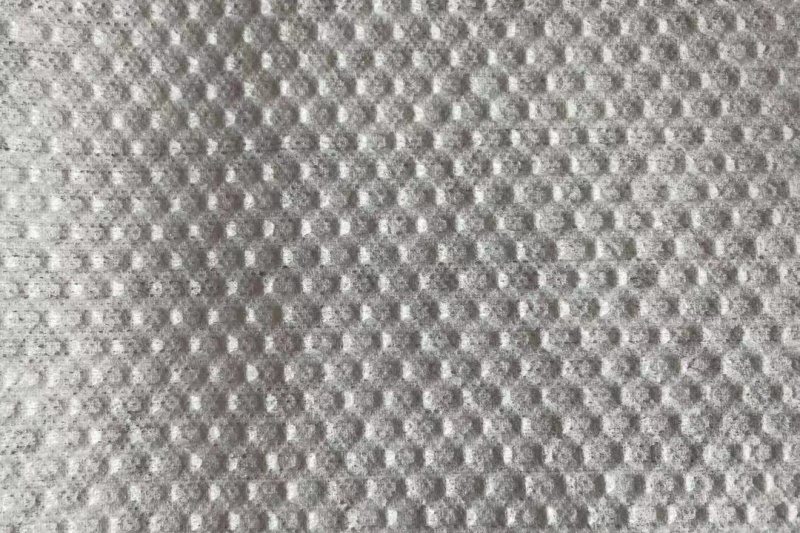
Available in both plain and embossed patterns (such as hexagonal or pearl), the surface design supports effective wiping performance and provides different tactile characteristics for various applications.
Performance
● Effective cleaning performance with good tensile strength and abrasion resistance
● Good surface friction performance for removing fingerprints and light oil residues
● Low lint release characteristics for cleaner wiping operations
● Durable structure suitable for repeated-use applications and efficient cleaning processes
● Good chemical resistance to various acids and corrosive substances
Specification
Product |
White woodpulp PP nonwoven fabric |
Composition |
70% woodpulp 30% Polyproplene(PP) |
Width |
260cm |
Surface |
Plain |
Basic weight |
40gsm~115gsm |
Color |
White |
Main application |
Automobile manufacturing, aviation, food, medicine, chemical industry |

Idea for:
● Engine assembly and maintenance
● Glass application and manufacturing
● Printing equipment maintenance
● Cleaning and maintenance of spraying workshop
● Workers clean themselves
● Removal of oil from machinery or equipment